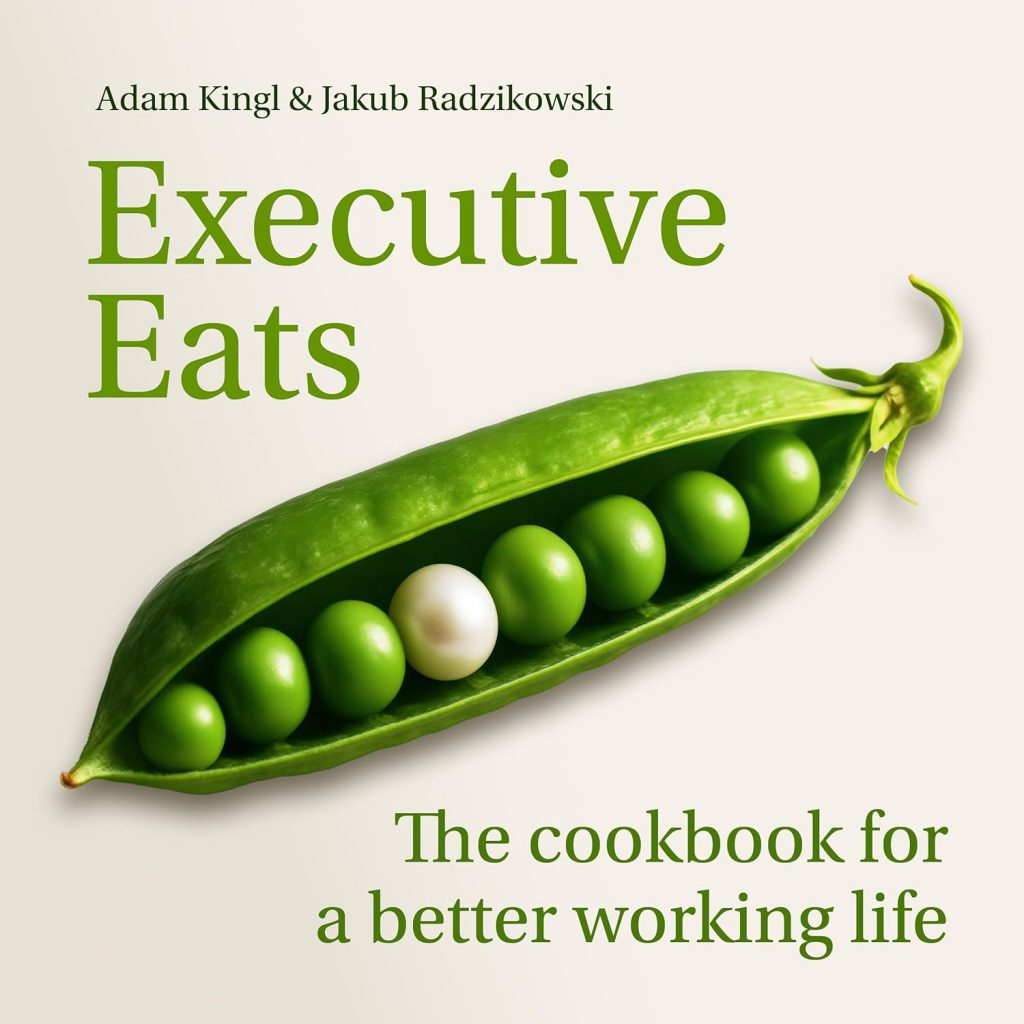
Can cooking decrease depression? A few recent studies indicate it might! Authors Adam Kingl and Jakub Radzikowski cite this research (and more) as supporting evidence in their new cookbook “Executive Eats: The Cookbook for a Better Working Life.”
Even if you are retired, Kingl asserts that meal planning to maintain cognitive and emotional health is just as vital as the accompanying physical benefits. As adjunct faculty at the University College London School of Management and Hult International Business School, his work focuses on the intersection of leadership, wellness and performance.
Thus, I asked Kingl to share a few of the nutrition tips included in the book for the TOPS community.
How do we eat to gain more daily energy?
Sustained energy is the art of avoiding the metabolic rollercoaster. Rather than chasing fleeting rushes from simple sugars, focus on nutritional choices that provide prolonged fuel for the body and brain.
The cornerstone of this strategy is favoring low-glycaemic index (GI) carbohydrates. These types of carbohydrates break down slowly, providing a steady trickle of sugars into the bloodstream (instead of a sudden flood). Lentils and fiber-rich vegetables such as pumpkin may be chosen to minimize the post-meal glucose “ups and downs”.
The second pillar of sustained energy is the strategic inclusion of protein and healthy fats. Protein-rich meals can have a high thermic effect, meaning your body expends more energy to digest them, and they are proven to reduce subsequent hunger.
Finally, we cannot overlook that optimal cellular energy production relies on B-vitamins, which act as essential cofactors in mitochondrial metabolism, and are abundant in whole grains and legumes. Micronutrients like magnesium are vital for preventing the fatigue that comes from improper muscle function. By combining slow-burning fuels with nutrient-dense ingredients, we can maintain energy throughout a demanding day rather than seeking a momentary “sugar” buzz.
Which foods have the most capacity to influence brain health?
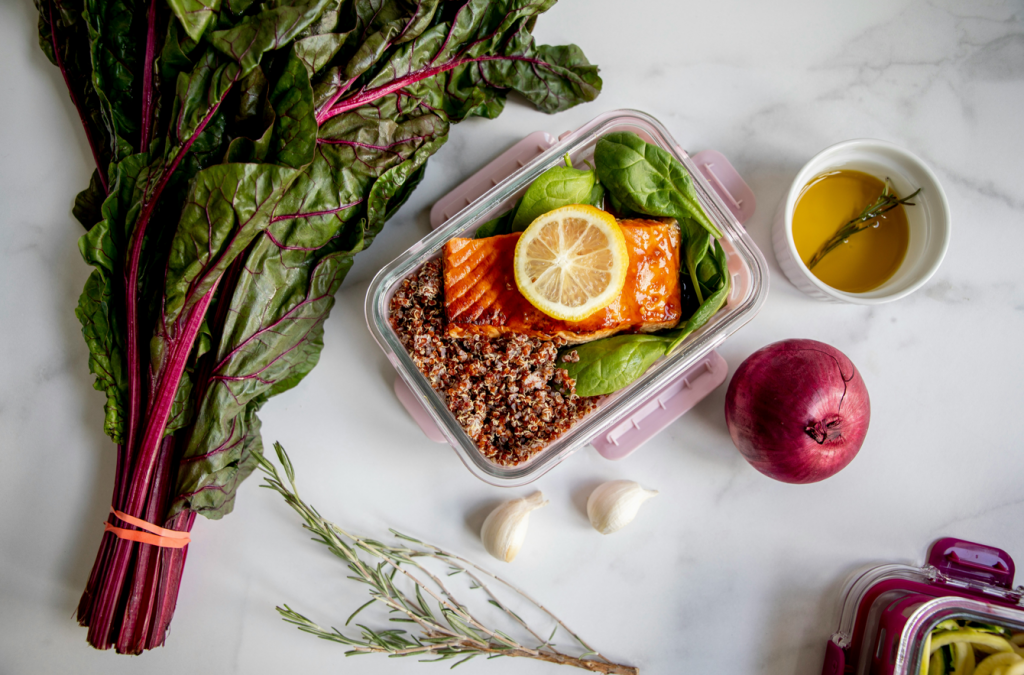
Perhaps the most critical nutrients for cognitive function are the omega-3 fatty acids found abundantly in oily fish such as sardines, salmon and trout. A diet rich in these fats contributes positively to cognitive health. A growing body of research links chronic inflammation to mood disorders, including depression and anxiety. Omega-3s, particularly from fatty fish, help regulate this inflammation and are integral to brain cell structure and function.
If healthy fats form the brain’s hardware, its software relies on neurotransmitters. Choline, concentrated in egg yolks, is a direct precursor to acetylcholine, a neurotransmitter critical for memory, learning and maintaining focus. Various studies (in animals and humans) have shown that dietary choline may also improve cognitive function, especially in middle-aged and elderly people.
Can what we eat lessen or intensify negative emotions?
A primary route to a better mood is through serotonin, often called the “molecule of happiness”. Our bodies synthesize this crucial neurotransmitter from an amino acid called tryptophan, which is abundant in foods like chicken, pork, and beans. Research suggests that monitoring tryptophan intake may be an effective way to improve positive feelings and decrease anxiety.
What are the lesser-known benefits of prepping and making meals at home?
Cooking can also be considered a form of mindfulness. And while mindful eating is a recognized practice, cooking can similarly serve as a mindful ritual. Low-stakes yet immersive, it grounds the individual through sensory engagement via sights, sounds, textures and aromas of food in transformation. Repetitive tasks, such as chopping or stirring, can act as anchors of attention, gently drawing focus away from racing thoughts and toward the tangible present.
Ready for one more fun fact? TOPS Club’s July 2026 Recipe of the Month is from Kingl’s cookbook! This Mango, Cucumber and Mint Salad is rich in magnesium and folic acid to essential micronutrients. Also, be sure to enter our latest giveaway for the chance to win a copy of “Executive Eats” on our members-only Facebook page: TOPS Wellness & Support.
Good luck…and remember: If you did your best today, you are already a winner!
~Rachel



Love reading the tops books
So glad to hear that, Anne!
I felt this post was so important that I made copies of it to all of our TX0013 members with the following statement from me:
“I think it is so important that you should show it to Family, Friends and anyone else who is willing to read it.”
Thank you, Rachel!
You are very welcome, Barry! And THANK YOU for encouraging your fellow chapter members to read this month’s blog.
This is great information!
I am newly diagnosed with ASID (Acquired Sucrase Isomaltase Deficiency) and can eat a lot of these foods listed!
Hi Donna,
I am quite pleased to hear that this post contains useful information for you. Be sure to enter the giveaway on Facebook within the next few days for a chance to win a copy of the cookbook referenced above.
I absolutely love this message. So many of my senior friends have opted for highly processed, prepackaged food as a “covenience”.
The points made are critical to living a rich, fulfilling active life as we age. I try at least one new recipe each week just for variety and to stretch my mind. I do prepare favorites in batches and store as single servings for future use which is such fun. The creative process of cooking from scratch is so fulfilling creatively, cognitively, physically and spiritually for me!
I also started inviting m neighbors’ little children over during the summer to pick and eat things from my little garden. Each time they come, we have the best time and my heart just fills with happiness.
Oh Barb…
Every detail you shared in this thoughtful comment makes me SMILE. I also 100% agree about how the creativity process of cooking can be invigorating in more ways than one.
Great information. I love cooking and trying new recipes, however planning is sometimes is very stressful as my husband is super picky. I trystick to whole, clean foods, to get nutrients and vitamins from food, not supplements.
I support your choice to try to prepare nutrient-dense meals, Karen. I can also empathize with having other people in your the household who have different food preferences or dietary needs. That can make meal prep more complicated and time-consuming.
I love that you mention the importance of healthy fats. It took me a very long time to be “okay” with consuming “fat”, healthy or otherwise. I remember trying desperately to lose weight in the 80s and 90s, and so many consumers were brainwashed into buying “fat-free this” or “fat-free that”. A lot of us really thought that was the answer – I mean, after all, “fat” must cause FAT, right? So very wrong. I am glad we’ve learned a thing or two over the decades since, and once I understood the importance of healthy fats AND protein, and why our body needs them, I was on my way to my goal. It made all the difference. I have been a KOPS for several years now because I learned and live my nutritional truth every day.
That’s great, Tammy!
I am also very glad you decided to post about that part of your wellness journey on this thread.
Thank you for all the great information. I have been trying to eat more complex carbs the last 2 weeks and eliminate as much as possible foods with added sugar. I feel better already.
Simple dietary changes really can have a big impact, Colleen. So I encourage you to keep moving forward with the new nutritional habits you are in the process of forming.
Greetings,
I enjoy your articles, the recipes have helped many of us try something new and places food as a medicine.
I have recently chosen to begin the Vegan lifestyle after being diagnosed with Chronic Kidney Disease 3a (its also a big in anti-inflammatory diet, too restrictive for most). I am now losing weight and eating well, and I feel better than ever. Could you incorporate Vegan or Vegetarian meal low sodium and rich in herbs into these articles? I wonder if others are eating this way as well (even if they are eating meat).
I appreciate the feedback you shared here, Kellie.
It is always helpful for us to know which content members are enjoying and/or would like more of. As for upcoming recipes which will be featured online (as well as in TOPS News), we always indicate which beverages, meals and snacks are low sodium, gluten-free, vegan or vegetarian.
In addition, because I am also vegan, the majority of recipes I create for the TOPS community are plant-based or can be easily modified to become so. If you are wanting more ideas, I suggest taking a look through some of the archived issues of the magazine (available via the member portal on the website). I recommend checking out this previous Wellness Wednesday blog post too: https://blogs.tops.org/wellness-wednesday/meal-prep-blitz-web-exclusive/