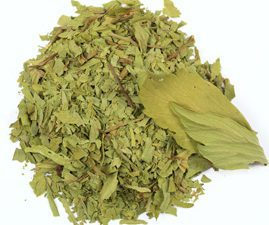
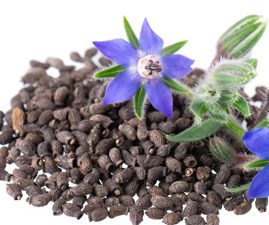
I certainly hope you do not RUE (regret) the THYME you will spend reading and discussing this next TOPS Spice of Life on the rack.
RUE is a bitter spice that must be used sparingly. The fact that it can be toxic is the main reason it is not used much anymore in modern cuisine.
My refraction about how RUE may be used for the purpose of this blog series can go in several directions. The easiest way is to categorically state that I never will RUE the day I joined TOPS.
Another approach would be to acknowledge my French heritage (Franco-American) and family ties to Quebec: RUE means street. Or you may have seen RUE on a street sign if you have been in New Orleans’ French Quarter. Street, road or a path are often mentioned when describing our journey toward better health.
Using the street term, when I have lost my way on any RUE, I will review my journals, call a friend, attend a meeting or watch a video from the TOPS YouTube channel to help me find my way back. It is also good to review the SAGE advice in the blog series: TOPS Healthy Lifestyles: Follow the Signs.
Getting off the path a bit and refracting more, I cannot help but feel it may be best for me to remember that bitter, RUE-like taste when I have a gain. Hopefully, it will remind me to make better choices.
It does take much BORAGE to travel the RUE to longevity. Whether you use RUE to remind you of the street you are on or to remember the bitter taste of gaining, do not forget to ask for support before you get CARAWAY.
We are all different, and each of us has unique PAPRIKA moments as we review any material or information. OREGANO was a good example of multiple meanings from one source.
Human nature is complicated. I keep going back and forth with this spice, and it is a good thing it must be used sparingly. Emotions are difficult to deal with, no matter what RUE we are on or how bitter the taste is. The next spice, LOVAGE, may offer some more clarity.
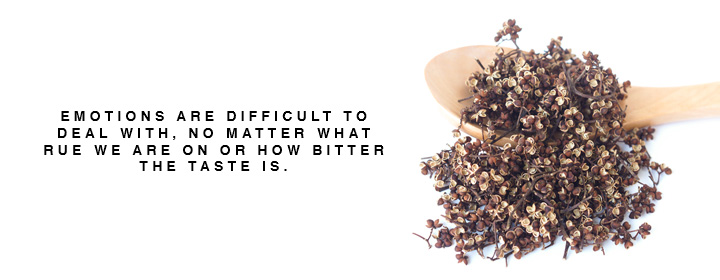
Rue (Ruta graveolens): An interesting spice because it was once an important culinary herb but has disappeared from modern kitchens. It has a strong, bitter, slightly citrus-like flavor, and the aroma can be almost medicinal or resinous. Historically, cooks learned to use it in exceedingly small quantities and often paired it with honey, vinegar, wine or other acidic ingredients to balance the bitterness.
Rue can be toxic in significant amounts and can cause severe reactions, including increased sensitivity to sunlight. It is particularly unsafe during pregnancy because it can stimulate uterine contractions.
Rue was particularly important in ancient Roman cooking. The Roman cookbook contains numerous preparations using rue, including sauces for game, fish and poultry. It was also used with eggs, cheese and vegetables.
Rue can be used with tomato sauces containing olives and capers. The acidity of the tomatoes helps tame its bitterness, while the rue adds a distinctive herbal character. One culinary reference specifically recommends this combination.
Safety Note: Rue is not an herb I would recommend experimenting with heavily. It contains biologically active compounds and can be toxic in significant quantities. Culinary use should be limited to exceedingly small amounts, and it should be avoided during pregnancy.