I would think a spice called ANGELICA would be entirely safe; however, it does have a caution. The ancient adage that too much of a good thing can be harmful is important to refract on.
Every spice on the TOPS Spices of Life rack has a type of caution or special note. Common cautions include drug interactions, toxic plant parts and the advice to use sparingly.
Even things that appear innocent, calming or beneficial may carry a warning. Something that initially brings pleasure, value or benefit can lose its appeal or even produce negative consequences when there is too much of it.
That does not mean they are bad, but however good something appears, it is wise to stay a little cautious.
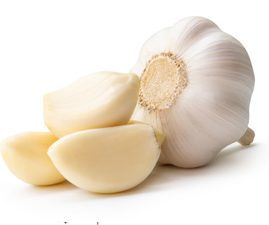
Refracting on ANGELICA brings me to various places on my journey to longevity. GARLIC may be useful to ward off bad vibes; however, ANGELICA reminds me that moderation and balance matter. Praising, complimenting or coaching too much may cause someone who is struggling to feel overwhelmed and start doubting their RUE.
I am someone who always accepted constructive criticism better than praise. To me, it was more believable. We can fall back on the saying, “If you have nothing ANGELICA to say, do not say anything at all,” but hearing the truth is sometimes necessary.
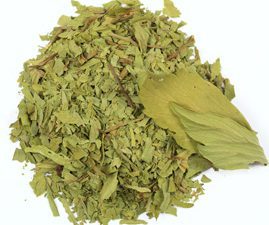
Finding the right words takes BORAGE and LOVAGE. Sometimes, it may be best to let THYME pass and suggest BASIL things. Saying the wrong thing or saying too much is not helpful.
Everything in moderation really means everything. As TOPS members, we practice portion control for our dietary needs. Moderation can go a long way in how we spread ANGELICA around, too.
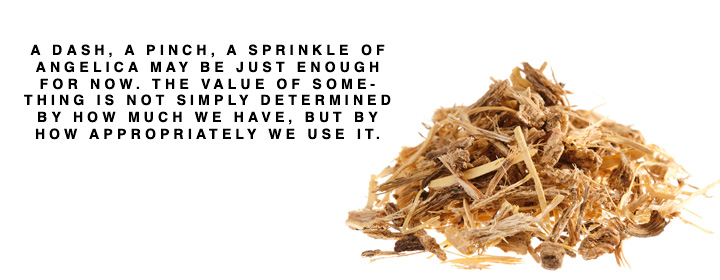
A dash, a pinch, a sprinkle of ANGELICA may be just enough for now. The value of something is not simply determined by how much we have, but by how appropriately we use it.
I really do not want to let the feline out of the bag; however, the next spice will be CATNIP.
Angelica (Angelica archangelica):
Angelica is a tall, aromatic perennial herb native to northern Europe and parts of Asia. A member of the Apiaceae family, it is related to parsley, carrots, celery and fennel. Its sweet, earthy scent and flavor blend celery, licorice and juniper with a hint of bitterness. Angelica has long been valued in both cooking and traditional herbal medicine.
Every part of angelica is useful. The roots add flavor to liqueurs and bitters, the seeds enhance baked goods and spice blends, and the leaves season soups, stews, and fish. Its candied stems are a classic decoration and ingredient in cakes and pastries.
Angelica was highly valued in European herbal traditions as protection against disease, and legend says an angel revealed its healing powers during a plague. Traditionally, people used it to aid digestion, soothe the stomach, and ease respiratory complaints, although modern clinical research has not confirmed these benefits.
Caution: Angelica can increase sun sensitivity, especially if the fresh sap touches the skin, and may interact with some medications. Identify it carefully, as poisonous relatives in the same family look similar.